
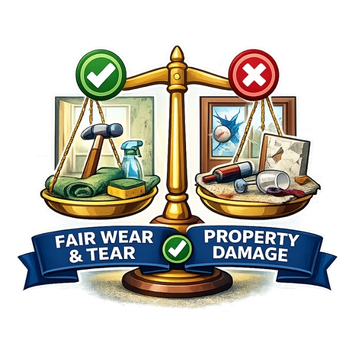
Fair Wear and Tear vs Property Damage: What Every Landlord and Tenant Should Know
Fair Wear and Tear vs Property Damage: What Every Landlord and Tenant Should Know
Whether you're renting out your investment property or moving out of a rental home, one question comes up time and time again:
What's the difference between fair wear and tear and property damage?
Understanding the difference can help avoid disputes, make final inspections smoother, and ensure everyone knows their responsibilities.
At Nimbin Hills Real Estate and Hills2Coast Real Estate, we believe clear communication leads to better rental experiences for both landlords and tenants. Here's a simple guide to help explain the difference.
What is Fair Wear and Tear?
Fair wear and tear refers to the natural ageing and deterioration of a property that happens through normal, everyday living.
Even when a tenant takes excellent care of a home, some things will naturally show signs of use over time.
Common examples include:
-
Faded paint or curtains caused by sunlight
-
Carpet worn in high-traffic areas
-
Minor scuff marks on floors
-
Loose door handles from regular use
-
Small cracks caused by normal building movement
-
Kitchen benchtops showing signs of everyday use
These types of changes are generally considered the landlord's responsibility, as they are expected over the life of a property.
What is Property Damage?
Property damage occurs when something is broken, damaged or altered beyond what would normally happen through everyday living.
This is usually the result of an accident, negligence, misuse or unauthorised changes to the property.
Examples of property damage include:
-
Holes in walls or broken windows
-
Burn marks or cuts in kitchen benchtops
-
Carpet stains from food, drinks or pets
-
Deep scratches or gouges in timber flooring
-
Damage caused by adhesive hooks, Blu Tack or tape
-
Damage caused by pets, guests or moving furniture
In most situations, tenants may be responsible for repairing or paying for damage they have caused.
If accidental damage occurs during your tenancy, it's always best to notify your property manager as soon as possible. Reporting issues early often helps prevent further damage and can reduce repair costs.
Why the Property Condition Report Matters
One of the most important documents for both landlords and tenants is the Property Condition Report (PCR).
Completed at the beginning of the tenancy, this report records the condition of the property before the tenant moves in.
At the end of the tenancy, it provides an objective comparison to help determine whether changes are simply fair wear and tear or actual damage.
Taking clear photographs at both the start and end of a tenancy is also highly recommended.
Understanding Depreciation
When assessing damage, it's important to remember that fixtures and fittings don't stay brand new forever.
Items such as carpet, paint, blinds and appliances naturally lose value as they age. This is known as depreciation.
For example, if carpet expected to last around eight years is damaged after six years, it would generally not be reasonable to charge the tenant the full replacement cost of brand-new carpet.
Instead, any claim would usually take into account the remaining value of the item.
Every situation is different, and factors such as the item's age, condition and expected lifespan are considered.
Tips for Tenants
Looking after your rental home doesn't have to be difficult. A few simple habits can make a big difference:
-
Report maintenance issues promptly.
-
Clean the property regularly.
-
Use mats in high-traffic areas.
-
Protect floors with furniture pads.
-
Obtain written approval before making alterations.
-
Keep copies of inspection reports and photos.
Taking good care of the property throughout your tenancy can help ensure a smooth final inspection and maximise the return of your bond.
Tips for Landlords
Regular routine inspections and prompt maintenance help protect your investment while supporting good tenant relationships.
As a landlord, it's important to:
-
Keep accurate Property Condition Reports.
-
Respond promptly to maintenance requests.
-
Understand the difference between ageing and damage.
-
Consider depreciation when assessing repair costs.
-
Communicate openly with your property manager and tenants.
A well-maintained property not only attracts quality tenants but also helps reduce costly repairs over time.
We're Here to Help
Rental properties naturally experience some wear over time, and not every mark or scratch is considered damage.
Understanding the difference between fair wear and tear and property damage helps create realistic expectations for both landlords and tenants and makes the end of a tenancy much less stressful.
If you're unsure about your responsibilities or have questions about a rental property, the experienced team at Nimbin Hills Real Estate and Hills2Coast Real Estate are here to help.
Whether you're a landlord protecting your investment or a tenant preparing for your final inspection, we're always happy to provide practical advice and professional guidance.